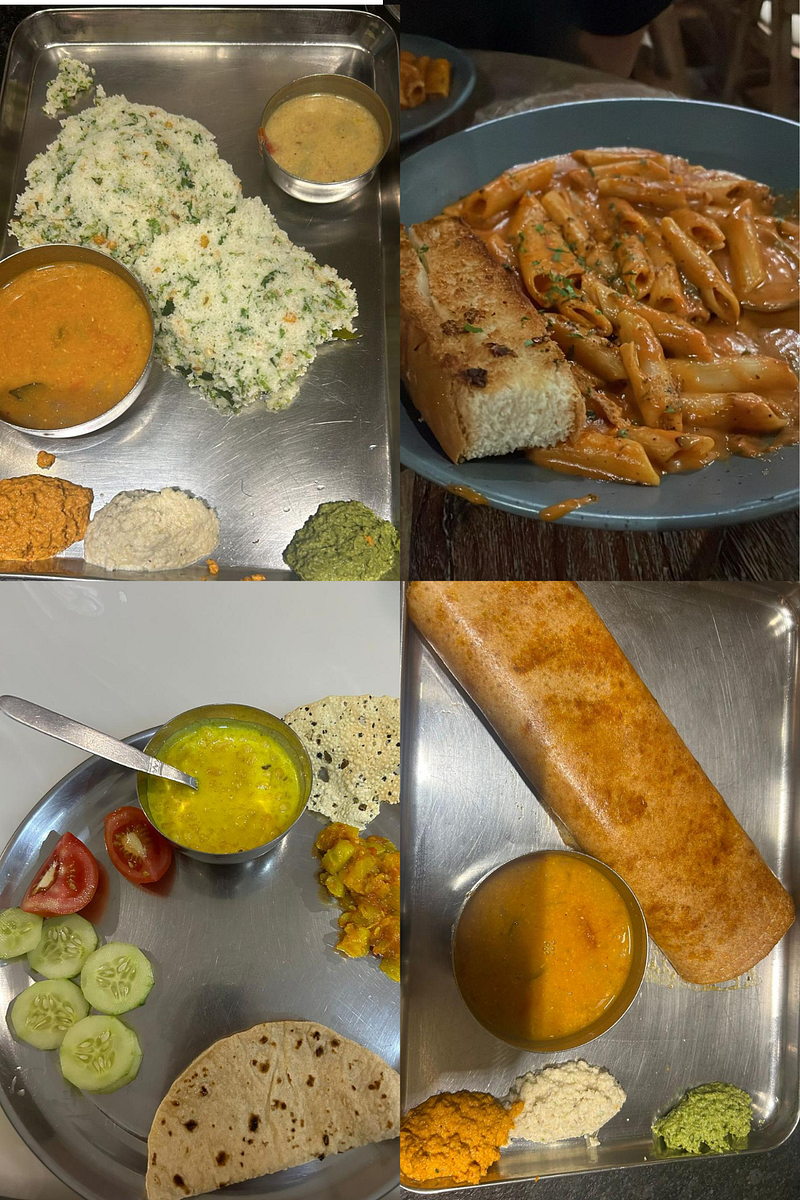
There’s no single universal blueprint of optimal health. The basic habits are proven by research and popularized by experts.
But the implementation is different for everyone based on their routines and preferences, which is fine as long as you have healthy habits.
Longevity with an optimal healthspan is the ultimate goal for a good life. But you need to try out different routines to find the one that works for you.
There are a number of habits that promote longevity, and I tried one of the prominent blue zone habits for more than seven months.
Intermittent fasting is more than a diet; it’s a lifestyle that fixes your daily routine for utmost healthspan.
It is hailed by centenarians in the Blue Zone for longevity and promoted by various religions as a better mental health practice.
Why I practiced intermittent fasting
Fasting is a common practice in my house in Jainism; it is a part of festivities.
Fasting is promoted in my religion for spiritual discipline , and intermittent fasting is a part of everyday lifestyle for devout Jains like my mother.
She doesn’t need to read reams of research on intermittent fasting to know its benefits when she has been practicing it daily for decades.
So, it was neither a big nor a new change for me. I just followed in my mother’s footsteps in the hopes of improving my health.
Moreover, it was not a difficult decision as I was never the one to have breakfast right after waking up.
So, I started on the path of health with a habit that wasn’t foreign, which felt like coming home after a long trip.
My seven-month journey was as follows:-
- 12-hour fast for the first two months,
- Followed by a 14-hour fast for the next five months.
- Then last month, I finally tried a 16-hour fast for a week.
Here’s what happened when I followed intermittent fasting for more than seven months, and why I am never going back to my old routine.
1. Your self-control will blow through the roof
Hunger is the most uncomfortable sensation that can make you commit crimes you never imagined committing.
It’s the most basic requirement for survival; without it, you will cease to exist. But better control over it can help your health thrive.
Multiple studies have proved that intermittent fasting or restricted eating can help slow down aging, decrease oxidative stress, and reduce inflammation.
But more than that, strategic hunger can help you build better self-control, which can help you adopt long-term gratification, a skill necessary for a successful life that has been destroyed in our modern landscape.
Food is a pivotal part of life, so controlling it too much can lead to eating disorders, as physical appearance and weight are tightly wound together.
But following a rigid schedule doesn’t mean you have to decrease the daily calorie intake. It simply means having meals at a set time daily.
Phase I
When I started intermittent fasting, I pushed my breakfast by one hour and ate dinner an hour earlier. That’s all it took.
But it’s not as easy as it sounds because midnight munchies make a lot more sense when you feel hungry. Still, I powered through it all by sipping on herbal tea or plain water.
The mornings were easier as I never woke up feeling hungry, and I soon found out that fasting offers a clarity that can help you power through difficult tasks.
So, I dedicated the fasting window for writing, as it felt easier till the hunger strike.
Phase II
After two months, I extended the fasting window to 14 hours, which tested my patience every day for at least two weeks till I got accustomed to it.
I started sleeping early at night to avoid the hunger pangs, which fixed my sleep schedule and led to an average of eight hours of sleep daily.
But mornings were difficult, as I had to hold off breakfast for two hours. So, I added a small session of yoga after the initial writing session in the morning.
Yoga on an empty stomach leads to deeper stretches and helps the body burn fat. So, a thirty-minute session of hatha yoga every morning helped me power through the fast.
Phase III
But the real challenge started on the last leg of this challenge, the 16-hour fast, which actually led to headaches.
The hunger levels manifested physically with a headache that started after the 15-hour mark. The first few days were hard, but after a week, it got better.
But overall, a 16-hour fast was the hardest and required the most self-control, but I powered through it, sipping green tea. It wasn’t an optimal routine for me, as I lost a pound in two weeks.
So, I stuck to the 14-hour fasting window as it helps me get the benefits of intermittent fasting without the ugly consequences of hunger.
The lesson/what you can do
Self-control is an essential life skill that you need for survival; without it, you will never reach your true potential.
And this little experiment helped me push my limits and strive for better self-control. So, I not only gained better health but also gained better self-control.
So, start this challenge if you want to lose weight and sustain it in the long run, because it will teach you to say no to temptations easily.
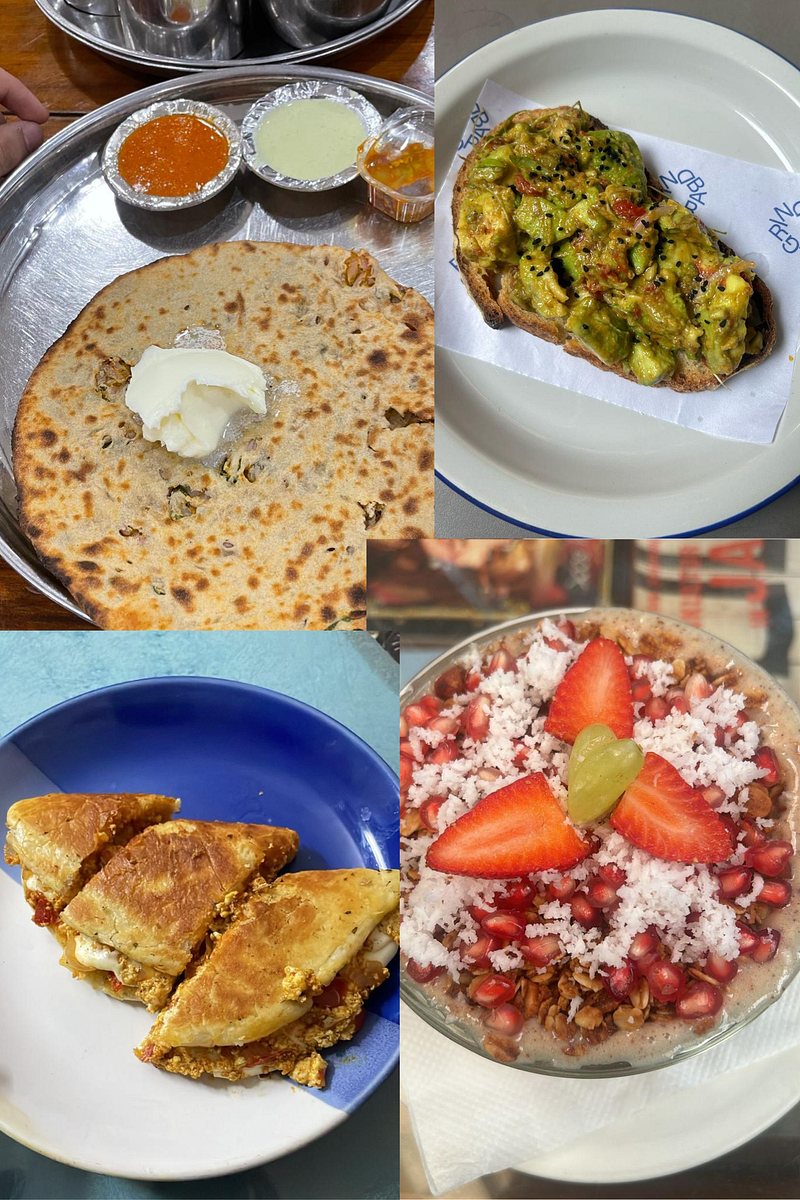
2. You learn to manage Time better while starving
For years, I have followed a haphazard routine that was devoid of any particular mealtime.
I had rituals that were usually followed by meals, like a morning workout followed by breakfast or a daily writing session followed by lunch.
Time management was the biggest problem, which this challenge helped me fix early on. I had to start sleeping early to avoid the temptation of binge eating.
Phase I
At first, I didn’t need to change my meal timings at all, as I realized I was able to do a 12-hour fast without following a strict routine.
But I realized early on that I would have to go to bed on time if I wanted this challenge to last, because binge-watching is impossible without binge-eating.
So, I had to go to bed on time, which helped me cut back on my screen time as well.
Phase II
The 14-hour fast was harder than I anticipated because I usually don’t get hungry in the morning, but it took some effort to delay breakfast.
So, I had to build a morning routine that kept me busy. So, I picked the two activities that have a better effect during the fasting state.
I started my day with a quick writing session to get the mind storming done in the early hours when the brain is fresh. So, I ate the frog first thing in the morning.
Followed by a yoga session, which I know is better on an empty stomach, as you can do better and deeper stretches.
These two tasks kept me busy till it was time to break the fast.
Phase III
But nothing compared to the agony I felt the first day I broke my 16-hour fast, even after months of practicing intermittent fasting.
It was more difficult than I expected, and it’s a miracle I followed it for a week. I had to find something interesting to add to my morning routine that kept me distracted from hunger.
So, I re-read a book that scared the lights out of me after teh first read. It was an easy task that helped me get through slow hours.
I had my breakfast in the afternoon, which pushed back my lunch a little, but I managed to have dinner daily at the same time.
Also, I had to take a nap during the day as the energy crash was worse, and the morning headaches didn’t help the case.
The lesson/what you can do
Meals are the most common and repetitive thing in your daily routine. You can build a productive lifestyle around them without any problem.
Once I got the meals planned and times, everything else fell in place. My routine got more productive.
Sleep quality improved, and my energy went up with it.
3. Learn the best skill for long-term success
Patience is necessary when you learn to deal with hunger as you can’t go through teh hunger pangs irritable and threatening people.
You have no other choice but to get on with your day without letting your hunger get teh best of you.
Intermittent fasting helped me realize the value of patience, as you learn quickly that even an ordinary meal becomes delicious when you are hungry.
Phase I
The 12-hour fast was easy, so it didn’t test my patience much. But I became more mindful about having a better and more nutritious breakfast.
But I looked forward to breakfast more than before and cherished my first meal of the day.
Phase II
A 14-hour fast took some work; I had to delay breakfast by three hours, which was not easy.
Writing and yoga took most of that time, but it was hard not to have breakfast. The waiting was difficult at first, but I powered through it.
Over time, your body gets used to it, the hunger is there, but its intensity dies down over time.
And then you start feeling hungry around breakfast time only, so you get used to the long wait.
Phase III
But 16-hour fasting was a nightmare as I spent most of the morning and part of the noon looking at the clock.
The real test of patience that I had to endure daily for seven days. It taught me the value of food and helped me appreciate long-term gratification.
But it took a toll on my health with headaches and low blood sugar, so I had to quit, but it did teach me the value of patience.
The lesson/what you can do
I never have to wait for food in my life, yet there are millions of people in the world who go hungry every day.
It teaches you patience and makes you grateful beyond words when you take the first bite,
This patience carries on for the rest of the day. You put it to use in everything you do. You become more mindful and accepting when you feel the hunger for everyday.
Conclusion
I dropped a few kilos unwittingly during this journey. My digestion improved as I was eating healthier.
The effort I put into maintaining this routine made me want to eat better and stay away from processed foods. I did have one cheat meal every week, but it was a healthier home-cooked version of the junk food I was craving.
This experiment decreased my acid reflux, and it helped me get rid of bloating once and for all.
This experiment was a success, as I learned so many other basic life skills from it. It improved my health while giving me a better prespective on life.